
Ramon Crater House
Ramon Crater House
Ramon Crater House
Ramon Crater House
Ramon Crater House

Ramon Crater House

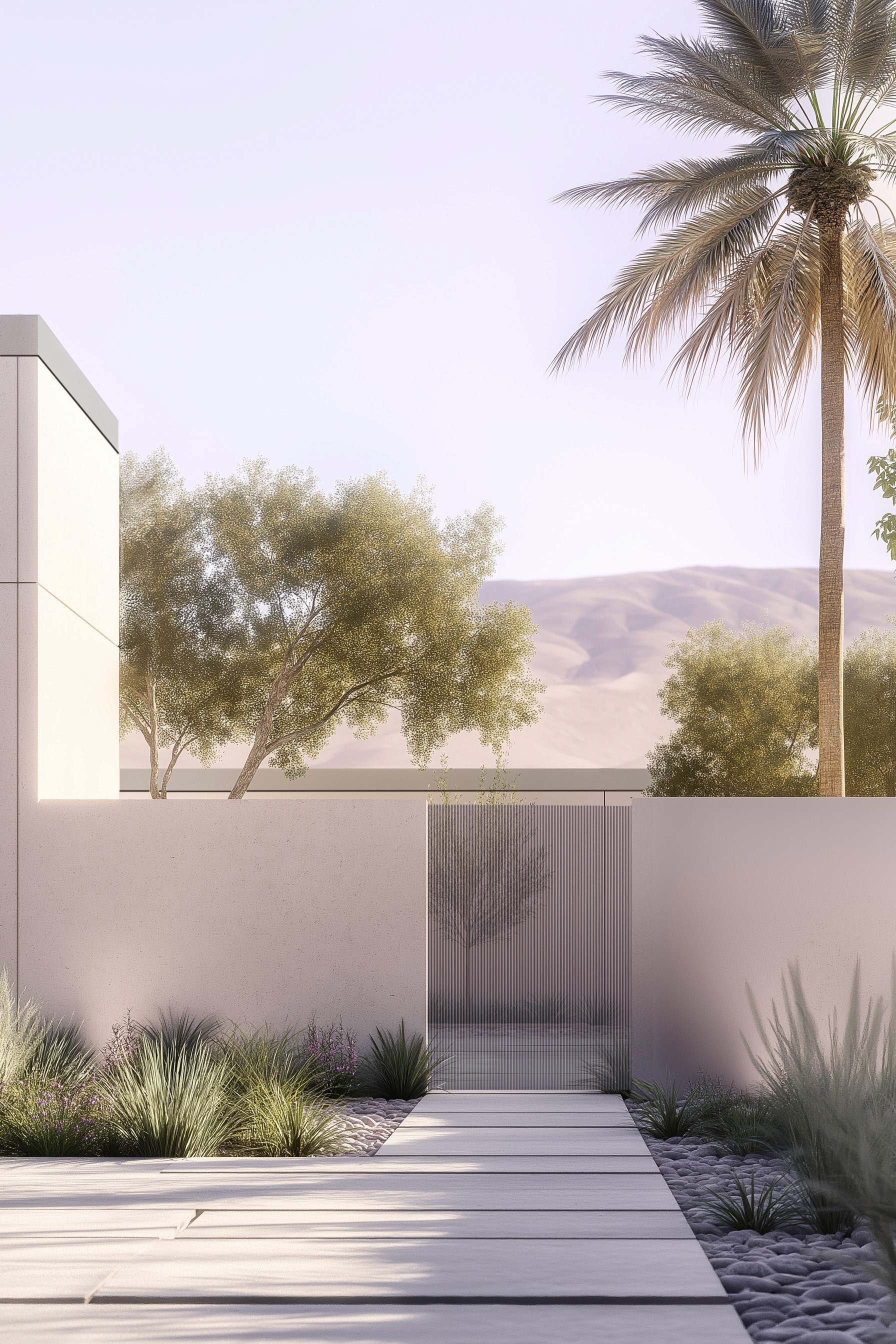
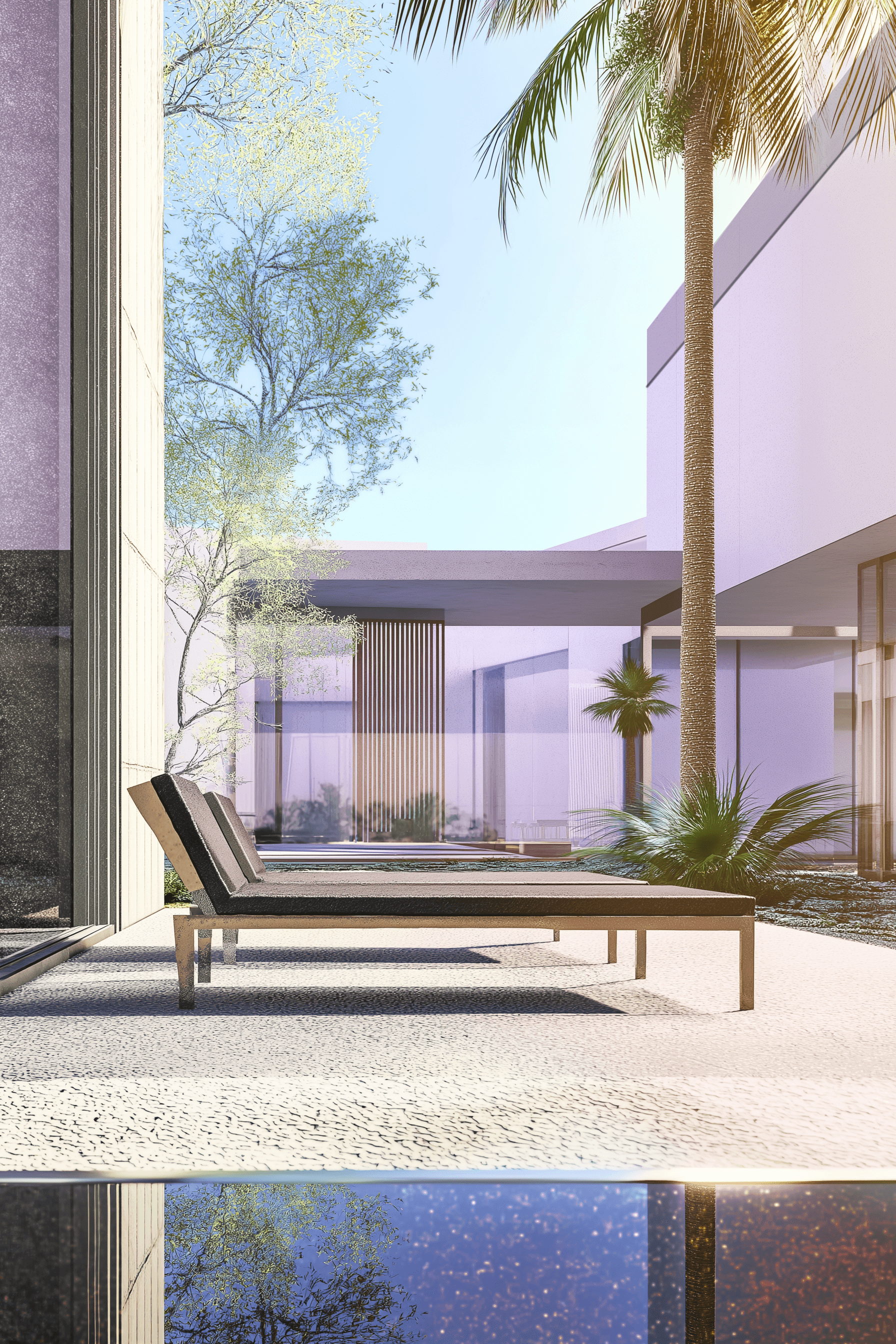
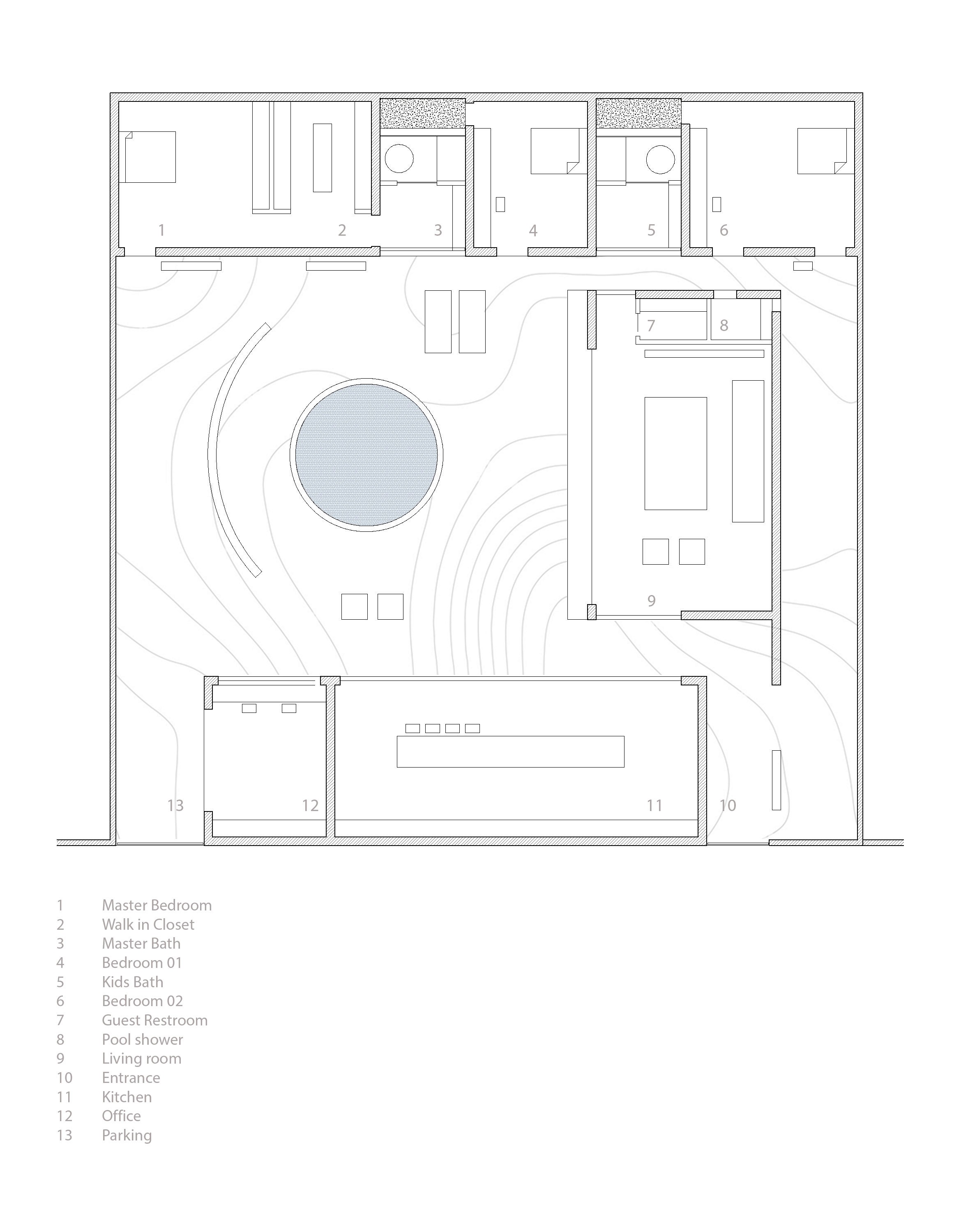
At the edge of Mitzpe Ramon, where the desert opens into the vast silence of the crater, the house stands almost quietly, less an object, more a pause in the landscape. From the street, it reveals very little. A monolithic wall, softened by a pale pink tone, stretches horizontally, interrupted only by a precise incision, the entrance. The geometry is deliberate, almost austere, yet the color disarms it. This is not the aggressive rawness of exposed concrete; instead, the pink concrete carries warmth, absorbing the desert light and returning it gently. At sunrise, it leans toward blush. By noon, it becomes chalky and mineral. At sunset, it glows, almost dissolving into the sky. Locals say the color wasn’t chosen for aesthetics alone. The pigment was mixed with regional aggregates, tuned to the iron-rich dust of the Negev. Over time, the wind does its work, sanding the surface microscopically, embedding the landscape into the wall itself. The house doesn’t age, it acclimates. Behind the wall, the architecture unfolds inward. Like many desert dwellings, it protects before it reveals. The entrance passage compresses you, framing a slice of sky above, before releasing you into a shaded courtyard where light is no longer harsh, but filtered, measured. Every opening is cut with intention. Every shadow has weight. There’s a story about the owner—someone who left the noise of Tel Aviv for something slower, more exact. They didn’t want a house that dominates the view of the crater, but one that negotiates with it. The pink concrete became the mediator: not quite natural, not quite artificial. A material that acknowledges construction, yet behaves like terrain. Even the palms beyond the wall seem to belong to another time. Their shadows drift across the facade throughout the day, turning the surface into a quiet canvas of movement. Nothing here is static, not the light, not the color, not even the perception of the building itself. At dusk, when the wind settles and the desert cools, the house almost disappears. Only the thickness of the walls, the depth of the openings, and the fading warmth of the pink concrete remain, like the last trace of heat held in the ground after sunset. And that’s the secret of it: this house isn’t designed to be seen all at once. It’s designed to be understood slowly, in layers of light, time, and material, exactly like the desert that surrounds it.

Type: New Development Year: 2028 WIP Location: Mitzpe Ramon, IL

Ramon Crater House
Ramon Crater House
Ramon Crater House
Ramon Crater House
Ramon Crater House

Ramon Crater House

At the edge of Mitzpe Ramon, where the desert opens into the vast silence of the crater, the house stands almost quietly, less an object, more a pause in the landscape. From the street, it reveals very little. A monolithic wall, softened by a pale pink tone, stretches horizontally, interrupted only by a precise incision, the entrance. The geometry is deliberate, almost austere, yet the color disarms it. This is not the aggressive rawness of exposed concrete; instead, the pink concrete carries warmth, absorbing the desert light and returning it gently. At sunrise, it leans toward blush. By noon, it becomes chalky and mineral. At sunset, it glows, almost dissolving into the sky. Locals say the color wasn’t chosen for aesthetics alone. The pigment was mixed with regional aggregates, tuned to the iron-rich dust of the Negev. Over time, the wind does its work, sanding the surface microscopically, embedding the landscape into the wall itself. The house doesn’t age, it acclimates. Behind the wall, the architecture unfolds inward. Like many desert dwellings, it protects before it reveals. The entrance passage compresses you, framing a slice of sky above, before releasing you into a shaded courtyard where light is no longer harsh, but filtered, measured. Every opening is cut with intention. Every shadow has weight. There’s a story about the owner—someone who left the noise of Tel Aviv for something slower, more exact. They didn’t want a house that dominates the view of the crater, but one that negotiates with it. The pink concrete became the mediator: not quite natural, not quite artificial. A material that acknowledges construction, yet behaves like terrain. Even the palms beyond the wall seem to belong to another time. Their shadows drift across the facade throughout the day, turning the surface into a quiet canvas of movement. Nothing here is static, not the light, not the color, not even the perception of the building itself. At dusk, when the wind settles and the desert cools, the house almost disappears. Only the thickness of the walls, the depth of the openings, and the fading warmth of the pink concrete remain, like the last trace of heat held in the ground after sunset. And that’s the secret of it: this house isn’t designed to be seen all at once. It’s designed to be understood slowly, in layers of light, time, and material, exactly like the desert that surrounds it.

Type: New Development Year: 2028 WIP Location: Mitzpe Ramon, IL